
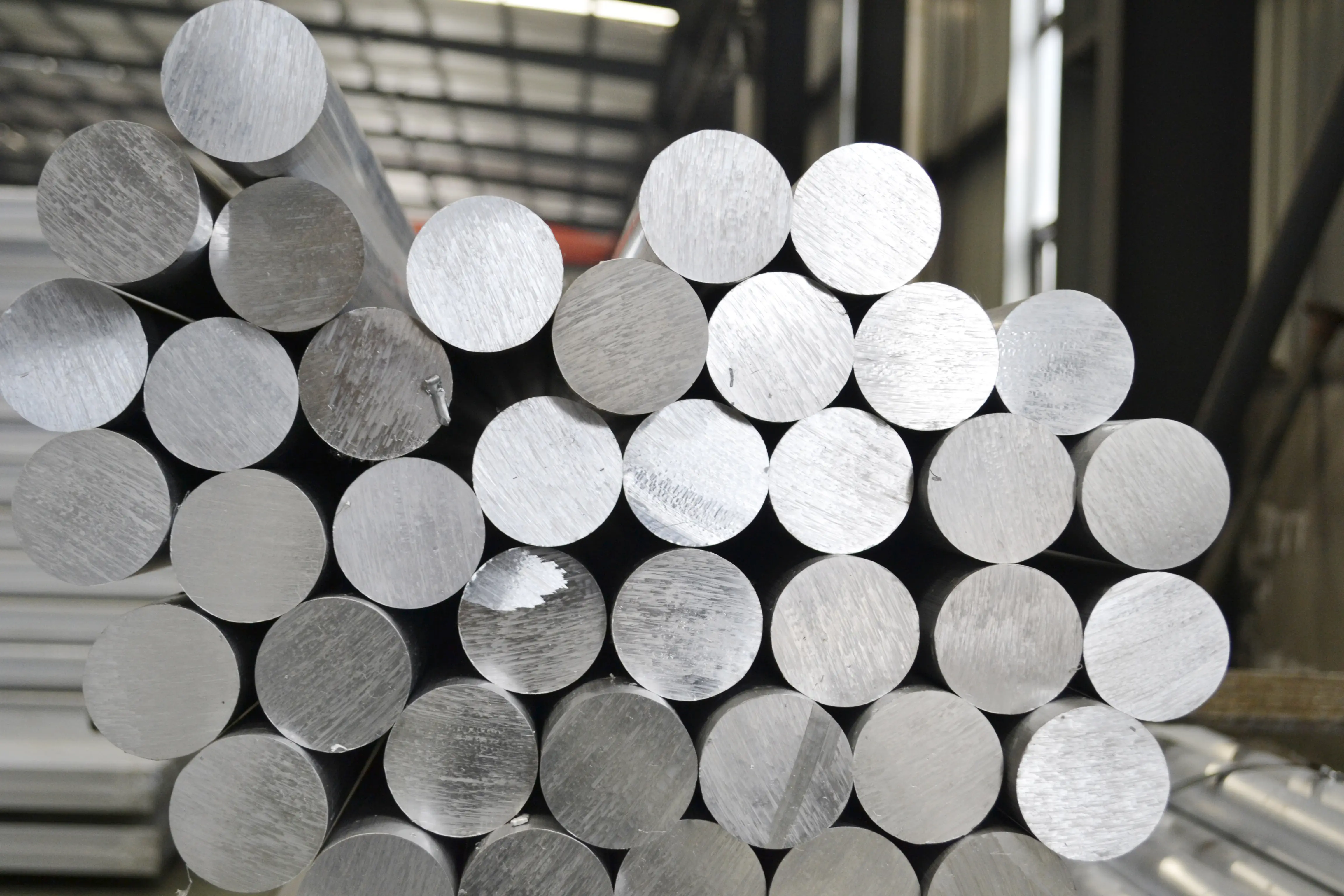
The United States has imposed a 25% tariff on all imported steel and aluminum products since March 12, but these measures will not only fail to boost its domestic metal production, but will also put many American companies in trouble.
The U.S. industry is highly dependent on imported metals. Data shows that net steel imports account for 15% of U.S. consumption, while aluminum is as high as 80%, of which Canada is the largest supplier of aluminum metal.
Most of the aluminum currently produced in the United States comes from scrap smelting, not primary aluminum production. Although Century Aluminum announced that it would build the first primary aluminum smelter in the United States in nearly 50 years, the decision was based on a $500 million subsidy from the U.S. Department of Energy last year. Bill Oplinger, president and CEO of Alcoa, said in February that tariffs were not enough to attract his company to restart facilities in the United States, and said that electricity prices were a greater constraint.
According to estimates by Boston Consulting Group, the new tariff measures will increase the cost of U.S. steel and aluminum imports by $22 billion, and the cost of derivative products (such as aircraft parts) by an additional $29 billion. For companies where metals account for a large part of their costs, the impact of U.S. tariffs is even more severe. The construction equipment industry such as excavators, the beverage can industry and the oil drilling industry will all face the pressure of a sharp increase in costs.
At the same time, these American companies are also facing the uncertainty brought about by the erratic threat of tariffs. Oplinger said that when the duration of tariffs is unclear, it is difficult for companies to make long-term plans.
Related Posts
- ▶ Nucor Raises US Hot-Rolled Coil Price to $1,200
- ▶ Hyundai Steel, POSCO Start $5.8B Louisiana Steel Plant
- ▶ Vale and ABB Expand AI in Brazil Iron Ore Operations
- ▶ Nucor Steel reported adjusted net income of $1.11 billion in the second quarter.
- ▶ JSW Steel Boosts Output 3% in July on India Growth
- ▶ ArcelorMittal is considering building a second electric arc furnace in Calvert
- ▶ US Probes Stainless Steel Pipe Imports From 3 Countries
- ▶ US Exempts Brazilian Pig Iron From 25% Tariff
- ▶ Regional Billet Prices Fell $5-15/T in June Markets
- ▶ EU Steel Producers Urge Stronger CBAM Rules
Online Message


Leave A Message
If you are interested in our products and want to know more details, please leave a message here, we will reply you as soon as we can.